1 Jan 2025
Uncategorized
What is Kratom?
What is Kratom?
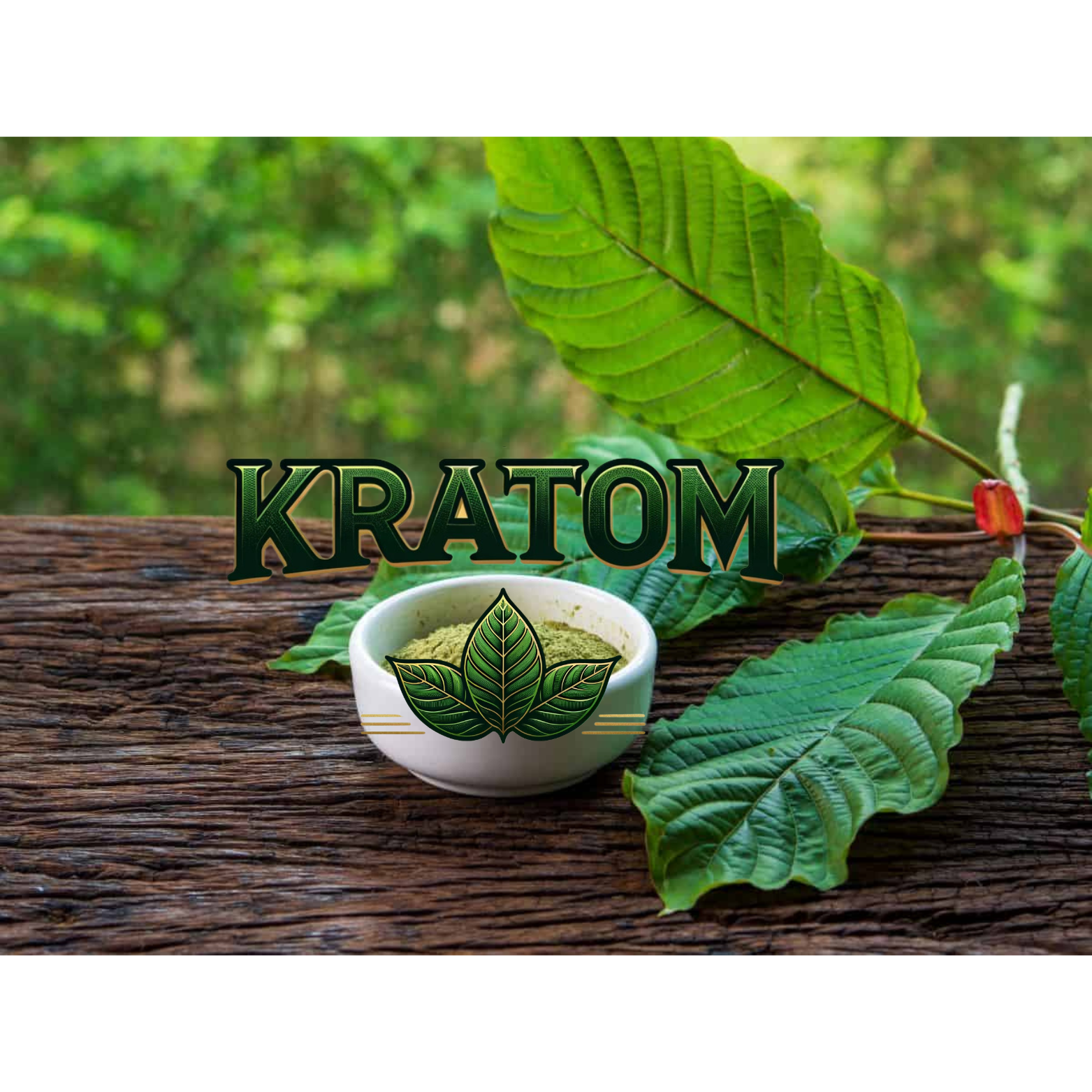
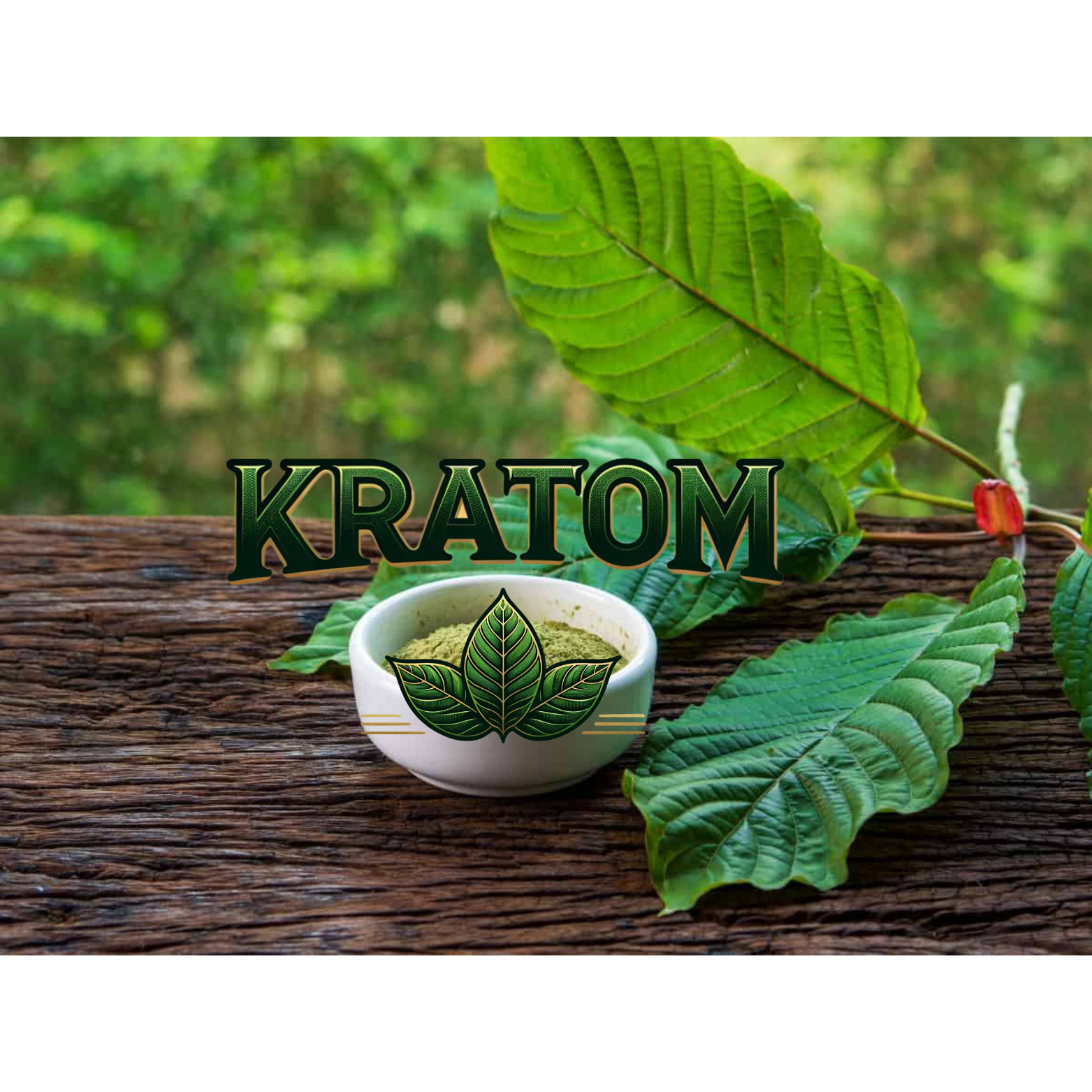
Kratom, scientifically known as Mitragyna speciosa, is a tropical tree native to Southeast Asia, particularly found in Thailand, Indonesia, and Malaysia. This herbal remedy has been used for centuries by local populations for its medicinal properties.
Kratom leaves contain compounds called alkaloids, with mitragynine and 7-hydroxymitragynine being the most prominent, which interact with opioid receptors in the brain, producing sedation, pleasure, and decreased pain, similarly to opioids but with fewer risk factors for addiction and dependency.
Commonly consumed in the form of leaves, powder, or capsules, there have been claims, unsubstantiated by the FDA, that Kratom can offer pain relief, aid in opioid withdrawal, and improve mood and energy levels when used responsibly.
Traditionally, the leaves were chewed fresh or dried and brewed into tea by workers in Southeast Asia to combat fatigue and improve productivity during long hours. In the Western world, Kratom has gained popularity for its potential therapeutic uses, including managing chronic pain and helping with opioid detoxification.
Its dual action as a stimulant at low doses and a sedative at high doses allows users to tailor their use individually. However, the effects of Kratom vary greatly depending on the dosage, strain, and individual biochemistry, making it important to approach use with caution and awareness of potential side effects.
This guide is meant to inform those who would like to learn more about how Kratom has been used for hundreds of years by Asian cultures, explore the various types of Kratom and their effects, and discuss the different forms that Kratom is found in.
Forms of Kratom
1. Leaf: The traditional form of Kratom involves the leaves either being chewed fresh to extract its compounds quickly or dried for other uses such as brewing tea. Fresh leaves are rarely available outside Southeast Asia, so most international users will encounter dried leaves, which can also be crushed into powder.
2. Powder: The most commonly available form of Kratom is powder, which is typically made by drying Kratom leaves and grinding them. The powder can be used in a variety of ways, such as making tea, mixing with water or juice, or even incorporating it into food recipes.
3. Capsules: Kratom capsules are filled with Kratom powder, providing a convenient, discrete, and easy-to-measure form of ingestion. This form is best for those who want to avoid the natural taste of Kratom powder.
4. Extracts: Kratom extracts are potent forms of Kratom made by boiling the leaves or powder to create a concentrated extract that contains a higher level of alkaloids. Extracts are typically available in liquid tinctures or solid resins.
5. Tea: Brewing Kratom tea is a popular method for consuming the powder or leaves. This involves steeping the Kratom in hot water, which can be enhanced with honey, lemon, or other flavorings to mask the bitter taste.
Types of Kratom and Their Effects.
Kratom is classified into three main types based on the color of the veins in the leaves: red vein, white vein, and green vein. Each type offers different effects, which can vary from stimulating to sedating.
1. Red Vein Kratom: This is the most sedative type of Kratom, ideal for pain relief and combating insomnia. Due to its sedative effects, it is often used by individuals looking to alleviate pain or enhance sleep quality.
2. White Vein Kratom: Known for its stimulating effects, white vein Kratom can uplift mood and increase alertness, much like a strong cup of coffee. It is often used in the morning or in fatigue-inducing situations.
3. Green Vein Kratom: Offering a balance between sedative and stimulative effects, green vein Kratom can enhance energy and relieve pain without either effect being overwhelming. It is suitable for those seeking mild stimulation and moderate pain relief.
How to Use Kratom Safely.
Determining Dosage:
-
The appropriate Kratom dosage varies significantly depending on the form, type, and individual user’s physiology and needs. Typically, for new users, starting with a small dose of 1-2 grams is advisable.
-
Monitor the effects; if the desired effects are not achieved within 30 to 45 minutes, you may take a slightly higher dose.
Method of Ingestion:
-
Tea and Water: Mixing Kratom powder with hot water or brewing it into tea are popular methods that facilitate easier digestion and quick effects.
-
Food: Mixing Kratom powder into yogurt or smoothies can help mask the taste.
-
Capsules: Provide the easiest method of ingestion, though they may take slightly longer to work as the capsules must dissolve first.
Precautions
-
Always start with a lower dose to assess tolerance.
-
Avoid daily use to prevent the build-up of tolerance and dependency.
-
Be aware of the legal status of Kratom in your area as it is banned or controlled in several regions.